The company complied with a classified U.S. government demand to look through millions of accounts at the behest of the National Security Agency or FBI, sources say.
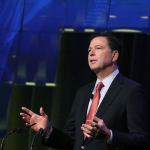
Director James Comey said the agency paid more to get into the iPhone of one of the San Bernardino shooters than he will make in the remaining seven years at his his job.
Under the U.S. vulnerabilities equities process, the government is supposed to err in favor of disclosing security issues so companies can devise fixes to protect data.
The abrupt end to a confrontation that had transfixed the tech industry was a victory for Apple, which vehemently opposed a court order to unlock the device used by the San Bernardino shooter.
The government had insisted until Monday that it had no way to access the phone used by one of the killers in the December massacre in San Bernardino, Calif.
The rare display of unity and support from Apple's sometime-rivals showed the breadth of Silicon Valley's opposition to the government's anti-encryption effort, a position endorsed by the United Nations human rights chief.