Most entrepreneurs think they're ahead on AI because they use the tools every day — but the businesses pulling ahead are building systems that turn institutional knowledge into a lasting competitive advantage.
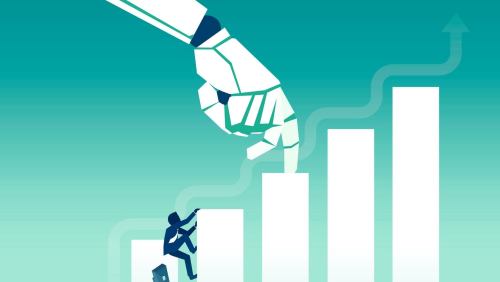
As AI becomes more powerful and accessible, the real opportunity for entrepreneurs isn't replacement but amplification — using smarter data, custom models and clear strategy to scale operations, improve decision-making and unlock team capacity.
In AI-driven transformation, the real risk isn't the technology itself—it's leaders staying silent or vague at the exact moment employees need clarity, context and trust the most.
AI engines are explaining your company before buyers click your site, read your pitch deck or talk to sales. If that answer is vague, outdated or missing, that is now your real first impression.
Most organizations think they have an AI execution problem, but the real issue is leadership hesitation around tradeoffs, ownership and the willingness to decide what actually matters.
As AI agents master execution, the real divide in the workplace is no longer between managers and employees — but between people who merely follow instructions and those who can navigate ambiguity, exercise judgment and own outcomes.
The more polished and professional an AI-generated report looks, the more dangerous it becomes. Here's how to protect your business from misleading insights.
AI isn't failing companies because of the technology itself, but because it exposes the underlying weaknesses in their systems, teams and operational complexity that leaders haven't addressed first.
Why the most effective leaders aren't trying to reduce AI uncertainty, but are using it to move faster, make better decisions and unlock momentum while others stall in planning and hesitation.
As millions of shoppers turn to AI agents before traditional retailers, brands that fail to become machine-readable risk losing the next trillion-dollar market shift.
Buying AI tools was the easy part. Getting your team to actually use them — and see results — is where most businesses stall. On May 11th, we will show you exactly how to fix that.
Most enterprise leaders have a licensing agreement. Almost none have a governance strategy. Here is the difference and why it is catching up with you faster than you think.