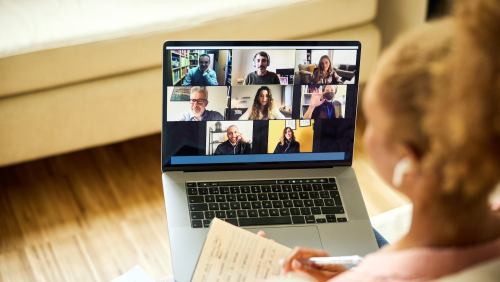
The rising trend of job stacking as a popular alternative to the traditional 9 to 5 work schedule, particularly among the millennials and Gen Z populations. Delve into the benefits of job stacking and discover its potential to revolutionize the American workforce by fostering greater satisfaction and autonomy.
Employers across industries bemoan the difficulty of finding qualified talent. Yet, at the same time, legions of capable workers, especially caregivers, find themselves shut out of employment altogether due to inflexible employer attitudes. The solution? Forward-looking companies need to reimagine traditional career paths to gain access to a deep well of hidden talent.
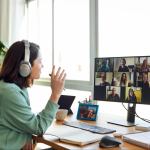
Like it or not, remote work is here to stay. As the CEO of one of the first fully remote workplaces in the 1990s, I share six mistakes new remote teams are making that will kill their success.
As many companies return to the office, remote work remains prevalent, introducing security risks. However, you don't need to pull everyone back into the office. I'll share how the company I work for addresses these risks and how you can safeguard yours.
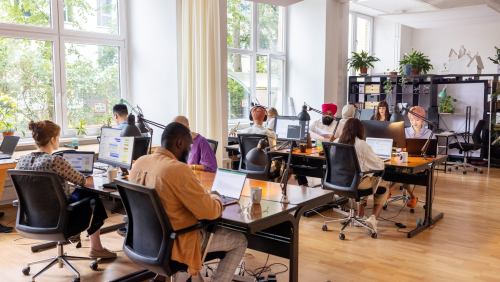
The traditional office, once a symbol of corporate stability and structure, is rapidly becoming an anachronism in today's fluid work environment, and coworking spaces are replacing many of the traditional office space functions
Recently, TikTok made headlines for the wrong reasons — introducing a badge monitoring app called MyRTO, aimed at enforcing its office attendance policy as part of a top-down return-to-office mandate. While many companies are recalibrating post-pandemic work expectations, TikTok's approach not only raises serious ethical issues but also amplifies broader concerns about its surveillance culture.
Many people dream of having their own business, and today, that dream often extends to doing so remotely. But what does it take to make that dream a reality?
This move raises an alarm not just for the financial sector but for all remote-capable industries, ranging from the financial industry to the tech sector, igniting a debate about the future of work.
Employees serve as the cornerstone of any organization, wielding significant influence over its efficiency and functionality. Here's how a human-centric approach, training and modern solutions synergize to create a harmonious employee experience that fosters engagement and well-being.
Discover how remote work shatters glass ceilings, empowers parents, champions diverse abilities and eliminates geographical barriers, ushering in a more equitable and inclusive era for all.