The shift to remote work during the pandemic has not only changed our daily routines but also had profound effects on our brains and made us more susceptible to distractions when we return to the traditional office environment.
Start-ups and Fortune 500 companies alike have taken commendable steps to determine the office protocol that works best for their businesses, whether fully remote or implementing one day to five days onsite. As start-ups reimagine the definition of the office, here are five actions they can take to reinvent their environments.
In the rapidly changing landscape of work, hybrid and remote models are not just influencing how we do our jobs but significantly transforming the approach towards elder care.
While adoption rates vary by country, industry and company size, the remote working trend continues to gather momentum as more employees demand flexible working arrangements and many organizations recognize the potential benefits, such as increased productivity, reduced overhead costs and access to a larger talent pool.
If you're a remote worker who would like to keep those benefits, you'd better start preparing a good pitch. And if you're dying to get back into the office, rejoice – your ideal transition may be just around the corner.
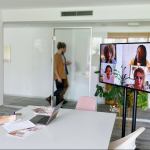
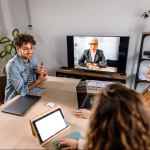
As we navigate the post-pandemic world, the question of how to conduct effective video meetings has become a hot topic. One particular point of contention is whether to keep cameras on or off during these meetings.
Leaders falsely perceive employee wellbeing to be already high and believe the burden of going to the office will be not that bad in this broader context. This disconnect between perception and reality is what I call the "Wellbeing Paradox."
Clearly, the work-from-home wars are continuing. And we have a new meta-analysis on this topic that reveals the answer is much more nuanced than the black-or-white fully remote work or fully office-centric work.
With more companies offering hybrid and remote jobs, there's plenty to consider. But with the right tools and approach, you can find the perfect remote job to fit your career goals and lifestyle.
Financial professionals are pushing back against the shackles of conventional workspace dynamics, underscoring the paramount importance of flexibility. Here's why business leaders should take note.
In early June, Google informed employees that changes would be made to its hybrid work policy, including considering attendance records in performance reviews and tracking badge usage.
As organizations fret over the potential risks of remote work, new research suggests the real dangers lurk within the office itself. That's the finding from a groundbreaking study from the Farmer School of Business at Miami University.