Technology has already dissolved geographic borders, while a new generation of workers has fundamentally redrawn the line between career and life. In this modern landscape, entrepreneurs can either cling to the "best practices" of the past or embrace a future built on flexibility and trust.
Location-agnostic leadership prioritizes building connected teams, cross-functional alignment, customer obsession and performance through intentional design. It includes real-world examples from a global approach to distributed teamwork.
As leaders push for employees to return to the office, workers continue to resist, favoring the flexibility of remote and hybrid models. The result? A transformation that is reshaping office culture, productivity and talent retention.
This article provides strategies for building a strong and cohesive company culture in a hybrid work environment, articulating your mission and values, effective communication, inclusivity, employee engagement and flexible policies.
Remote work promised us flexibility and thrilling new lifestyles, but the day-to-day reality often brings meeting fatigue and unexpected hurdles. So, what went astray from the promise, and how can these hidden benefits optimize your experience?
The post-Labor Day return-to-office push promised a shift back to familiar routines. Yet, as we delve into the data and dynamics, it becomes clear: the modern workforce's aspirations and the office's role have transformed more than we imagined.
By scrapping the gains in flexible working environments made during the pandemic, firms are essentially establishing a "men first" hiring policy, whether they realize it or not. An inflexible return-to-office approach is pushing women out, which in turn fosters an environment that is even more exclusive.
Employers across industries bemoan the difficulty of finding qualified talent. Yet, at the same time, legions of capable workers, especially caregivers, find themselves shut out of employment altogether due to inflexible employer attitudes. The solution? Forward-looking companies need to reimagine traditional career paths to gain access to a deep well of hidden talent.
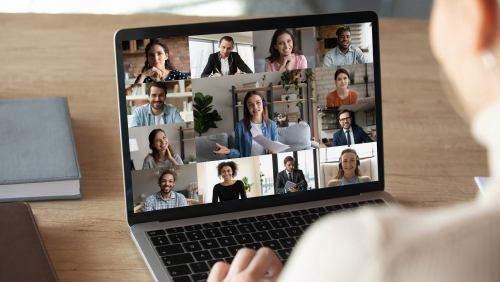
Like it or not, remote work is here to stay. As the CEO of one of the first fully remote workplaces in the 1990s, I share six mistakes new remote teams are making that will kill their success.
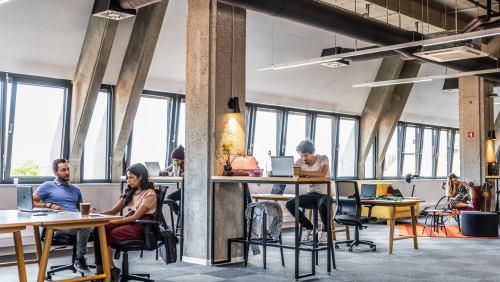
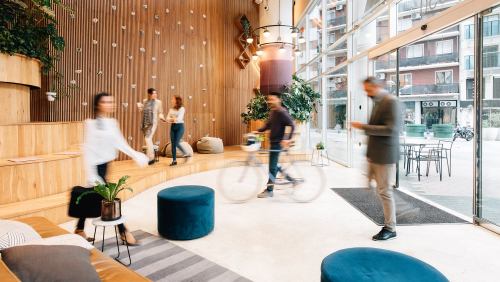
The traditional office, once a symbol of corporate stability and structure, is rapidly becoming an anachronism in today's fluid work environment, and coworking spaces are replacing many of the traditional office space functions
Recently, TikTok made headlines for the wrong reasons — introducing a badge monitoring app called MyRTO, aimed at enforcing its office attendance policy as part of a top-down return-to-office mandate. While many companies are recalibrating post-pandemic work expectations, TikTok's approach not only raises serious ethical issues but also amplifies broader concerns about its surveillance culture.
This move raises an alarm not just for the financial sector but for all remote-capable industries, ranging from the financial industry to the tech sector, igniting a debate about the future of work.