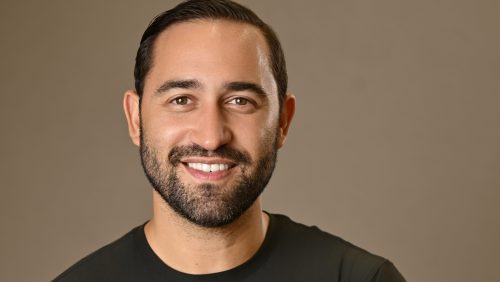
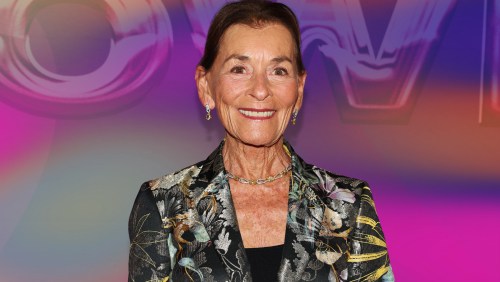
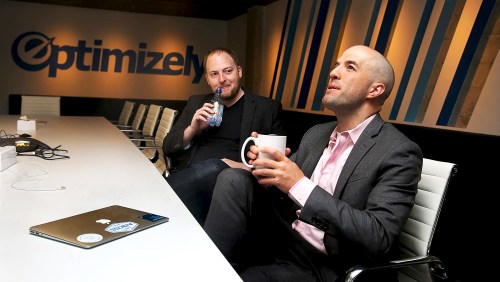
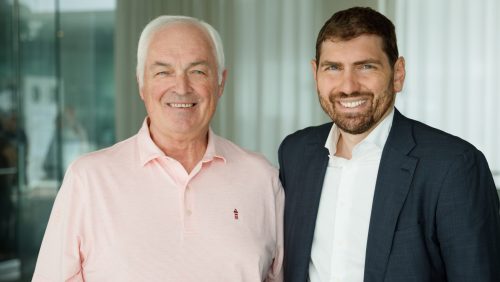
Meet the actor-turned-founder and the serial entrepreneur who teamed up with Aaron Rodgers to build a platform that tears down the wall between business owners and superstar athletes.
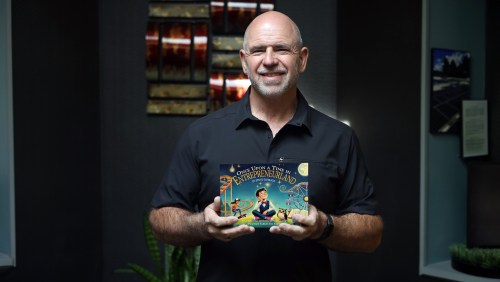
Discover how serial founder Steve Distante is using storytelling and strength-finding to help kids fall in love with entrepreneurship—before the world convinces them it's impossible.
Most companies don't break all at once — they crack in predictable places, and the founders who survive are the ones who pressure-test cash, dependencies, control and speed before the market forces them to.
After 20 years studying 600 Black women leaders, I learned that the same reliability that builds a reputation is often the thing keeping ambitious leaders — of any background — out of the rooms where advancement actually gets decided.
By the time a prospect reaches out, they have already searched your name and formed an opinion. Here is how to make sure the search results close the deal instead of quietly killing it.
Google has rebuilt Search around AI-generated answers — and for the first time, it has published official guidance on how to stay visible inside them. For businesses, the stakes have never been higher.